
The Essentials at a Glance
- UV radiation makes the stratum corneum thicker as a protective response, which at the same time lets more moisture evaporate from the skin.
- Chlorine and salt water weaken the lipid layer and make the barrier more permeable.
- Higher temperatures increase sebum production. Combined with sweat and sunscreen residue, blemishes form more easily.
- Skin's renewal cycle after summer takes around 4 weeks. Gentle cleansing, moisture, and barrier care now bring the skin back into balance.

What summer leaves in your skin
Intense UV exposure in summer stimulates cell division in the stratum corneum, making it noticeably thicker. This acts like a protective mechanism but doesn't prevent deeper cell damage and comes with a loss of moisture. Skin becomes drier, loses elasticity, and feels tight.
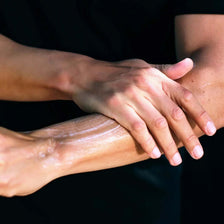
Pool water often contains chlorine, which attacks the protective lipid layer and lowers the stratum corneum's moisture-binding capacity. Salt water works similarly, but osmotically — it draws additional water out of the cells. Both weaken the barrier and make it more prone to irritation. Regular swimmers often notice this first on their forearms and shins, where skin already has fewer sebaceous glands.
Then there's the summer heat itself, which increases sebum production. When the extra sebum mixes with sweat, sunscreen residue, and dead skin cells, a sticky film quickly forms that clogs pores. The result is the typical late-summer blemishes that many people only notice once their holiday is long over.

Why regeneration takes time
Skin's renewal cycle takes about 4 weeks on average. That's the biological window in which the stratum corneum and barrier renew themselves, provided you support that process rather than adding further strain. Continuing with overly aggressive cleansing or harsh exfoliants after summer tends to prolong recovery rather than speed it up.
Skin needs 4 weeks after summer to renew the stratum corneum and the barrier.
The routine for the transition
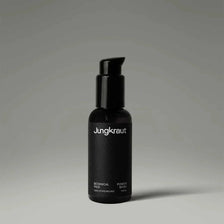
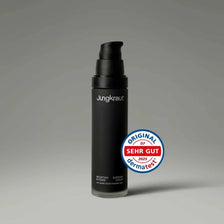
The first step is a gentle cleanse that removes sebum and residue without washing out the already weakened lipid layer any further. The Botanical Power Face Wash, with its mild surfactants, is well suited for this both morning and evening.
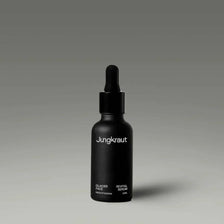
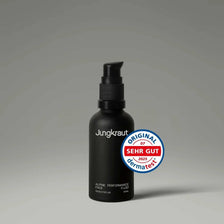
Right after that, skin needs moisture that penetrates deeply. The Glacier Revital Face Serum with hyaluronic acid and AA2G™ supports regeneration and also has an antioxidant effect against UV-related stress.
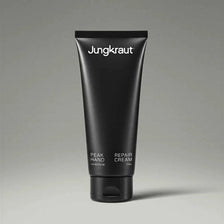
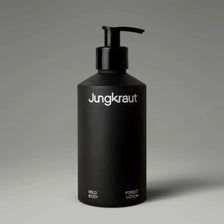
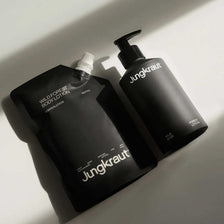
For the body, where the strain from chlorine and salt water is often greatest, the Wild Forest Body Lotion with fermented millet seed extract provides moisture without a greasy film. Applied to damp skin after showering, it absorbs within seconds.
If you're also more prone to pigment spots after summer — on the forehead or the backs of your hands, for instance — you'll benefit further from the AA2G™ in the serum: stabilised vitamin C brightens existing spots and protects cells from further UV-related stress while your skin recovers overall.

Sun protection still matters afterwards
A common mistake: sun protection gets forgotten once the holidays end. But UV radiation is still present in September and October and remains the biggest external factor in long-term skin ageing. If you're spending time outdoors, keep applying sunscreen as its own step over your day cream.
How skin prepares for the colder weeks ahead is covered in our article on autumn skincare.

What else you can do for regeneration
Beyond aftercare, your cleansing routine during summer itself also plays a role. Showering promptly after swimming, rather than letting chlorine or salt water dry on your skin for hours, significantly shortens contact time with skin-stressing substances. Lukewarm water is enough here — hot water further strips the already stressed lipids from the stratum corneum.
If you've sweated heavily during summer, don't skip your evening cleanse, even after a long day. Sweat dries on the skin and binds dirt particles that can clog pores overnight. A gentle cleanse before bed is therefore just as important in late summer as it is in winter, even when the temptation after a long holiday day is simply to fall into bed.
Stick to these four weeks consistently — gentle cleansing, targeted moisture, and continued sun protection — and you give your skin exactly what it needs in late summer.
Last updated: September 2026